
A land development feasibility study answers whether a parcel can support your proposed project and whether the numbers hold up, period. It weighs market demand, legal and zoning constraints, physical site conditions, and financial performance against each other, then delivers a go, no-go, or modify recommendation backed by a pro forma, IRR projections, and an entitlement review that Urban Planning Pros builds around your specific parcel.
TL;DR:
- Utility extension costs, wetland mitigation, and zoning variances are the most common deal-breakers that can turn a feasible parcel into a no-go at early stages.
- A feasibility study typically takes a few weeks, with longer timelines required for complex sites with overlapping jurisdictions or environmental issues.
- The report's key components include a constraints map, buildable yield estimate, utility and infrastructure cost allowances, and a pro forma with sensitivity analysis.
- Sensitivity testing focuses on potential cost overruns, slower absorption, and interest rate increases to assess the deal’s resilience under adverse conditions.
- Engaging local planning staff, utility providers, lenders, and community stakeholders early can prevent costly surprises and ensure the study reflects verified site conditions.
Table of Contents
- Why land development feasibility matters before you spend
- What each core component actually checks
- How long does a feasibility study take and what does it cost?
- What's actually in the feasibility report
- Reading the pro forma: KPIs and sensitivity testing
- When you need a specialist versus what you can check yourself
- Getting the right people in the room early
- What outcomes actually look like on real parcels
- Author perspective: practical advice from a feasibility practitioner
- How Urban Planning Pros turns feasibility into a decision you can act on
- Sources
Why land development feasibility matters before you spend
Lenders rarely fund a project without a study behind it. Experienced investors treat one as a business requirement even when nothing in the law forces it, because banks and equity partners commonly demand feasibility work before underwriting development capital. A feasibility study is not the same thing as engineering design or full legal due diligence. It's a screening tool. Its job is to tell you whether the deeper spend on surveys, civil engineering, and entitlement applications is worth committing to, or whether the parcel has a fatal flaw that kills the deal before you write those checks.
That screening role explains why feasibility analysis rests on four pillars:
- Market: Does actual demand support your unit count, price point, or lease rate?
- Legal and zoning: Does the parcel's current entitlement allow what you want to build, or does it require a variance or rezone?
- Physical and site: Can the ground itself carry the load, drain properly, and connect to the road network?
- Financial: Does the project generate returns that justify the risk and the capital tied up?
Buyers, sellers, brokers, and lenders all read this document differently, but they read the same document. During the contract or inspection period, it becomes the shared reference point for whether the deal moves forward as written, gets renegotiated, or falls apart.
What each core component actually checks
Market analysis pulls comparable sales, absorption rates, and pricing trends for the specific product type you're proposing, not a generic "market is strong" statement. If three competing subdivisions are sitting half empty two miles away, that number matters more than any regional growth headline.
Zoning and entitlement review maps what the parcel is allowed to do today versus what it would need to do what you want. That means permitted uses under the current base zoning, whether your plan requires a discretionary approval like a conditional use permit or PUD amendment, and the practical limits set by setbacks, height caps, and existing easements running across the property.
Technical site checks cover topography, a geotechnical screen of soil bearing capacity, flood zone and wetland delineation, and physical access, including whether an existing curb cut or road frontage can legally support the traffic your project generates.

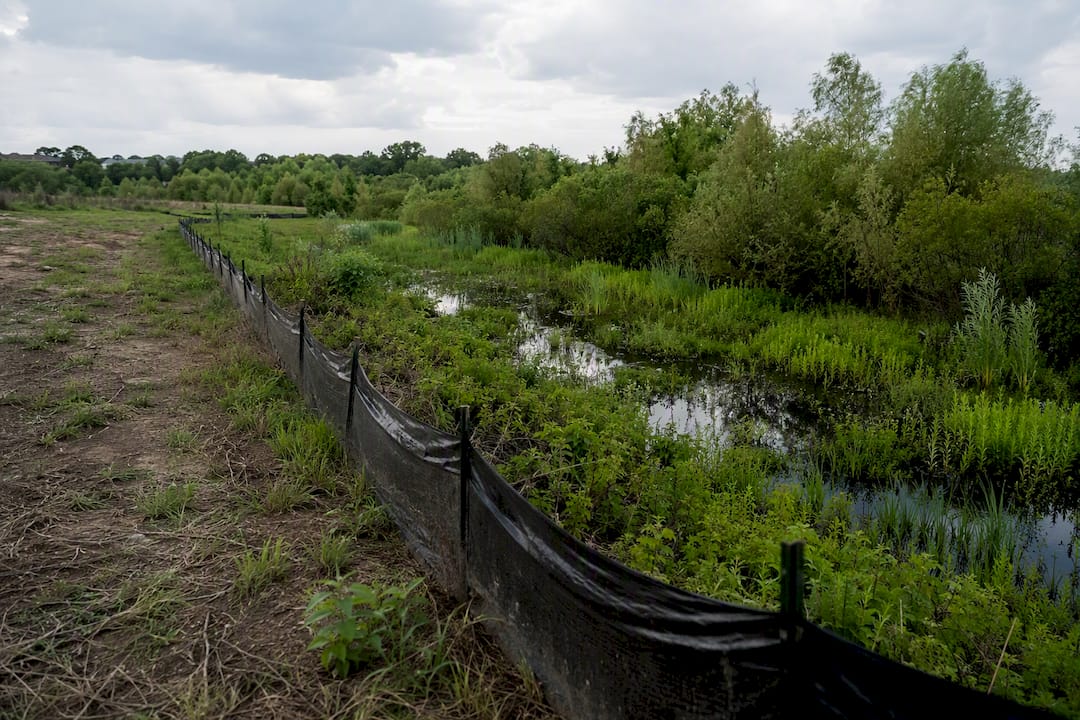
Utilities and environmental screening ask two blunt questions: how close is water, sewer, gas, and power, and what does it cost to extend service if it isn't already at the property line? Extension costs are one of the most common budget-killers in early development math, right alongside undisclosed wetlands or contamination that trigger mitigation requirements.
Pro Tip: Order aerial and topographic data before you order anything else. Drone capture combined with AI-assisted surface modeling now lets teams test grading and drainage conflicts before a single design dollar gets spent, which changes how much confidence you have in the cost estimates that follow.
How long does a feasibility study take and what does it cost?
A land feasibility study moves through five stages, and knowing them helps you schedule your due diligence period realistically:
- Intake and records pull. The team gathers deed history, prior surveys, existing zoning documentation, and any environmental reports already on file.
- Site screening and a quick sketch yield. A preliminary buildable footprint gets tested against setbacks and easements to see if the unit count or square footage even fits.
- Technical checks and utility coordination. Geotechnical screening, flood and wetland review, and calls to utility providers to confirm capacity and extension costs.
- Financial modeling and sensitivity testing. The pro forma gets built and stress tested against slower absorption, higher interest carry, or cost overruns.
- Report assembly and delivery. Findings, risk register, and the go/no-go recommendation get written up and reviewed with the client.
For most parcels, this runs a few weeks for most parcels, with some complex sites taking longer. Fee drivers that push cost and time up include contested zoning history, multiple jurisdictions overlapping the parcel, wetland or floodplain complications, and utility infrastructure that has to be extended rather than tapped.
What's actually in the feasibility report
A feasibility report is built to be read fast by people making a fast decision. The executive summary states the recommendation in plain terms and points to the evidence behind it.
Beyond the summary, expect:
- A constraints map showing setbacks, easements, flood zones, and any overlay districts
- A buildable yield calculation translating raw acreage into realistic unit count or square footage
- Infrastructure and site cost allowances, including utility extension estimates
- The full pro forma with revenue, cost, and return assumptions
- A risk-ranked register listing every identified deal-breaker in order of likelihood and cost impact
That combination is what makes the report useful beyond the initial decision. Lenders use the pro forma and risk register to underwrite. Buyers use the constraints map and yield figure to renegotiate price. Your own team uses the cost allowances to build a realistic construction budget instead of guessing.
Reading the pro forma: KPIs and sensitivity testing
The pro forma turns raw assumptions into numbers you can actually compare against a target. Internal rate of return (IRR) measures the annualized return over the project's full holding period, and most developers set a minimum threshold before green-lighting a deal. Cash-on-cash return measures annual cash flow against actual equity invested, which matters more to investors focused on near-term yield than long-term appreciation. Net operating income (NOI) is revenue minus operating expenses, before debt service, and it's the number lenders use to size a loan. Debt service coverage ratio (DSCR) divides NOI by annual debt payments, and most lenders want to see it comfortably above 1.0 before they'll fund construction.
None of those numbers mean much as a single static output. Sensitivity testing is where a feasibility study earns its fee, because it shows how the deal behaves when an assumption moves against you.
A defensible sensitivity model runs the project through:
- A modest increase in grading or site work costs
- A slower absorption schedule for lease-up or sales
- A rise in interest carry during an extended construction timeline
- A drop in achievable sale price or rent per unit
Projects that survive those tests with margin intact are resilient. Projects that fail modest downside scenarios, where a small cost bump or a few extra months of absorption erases the return, are fragile, and fragile deals usually need a redesign, a renegotiated purchase price, or a walk-away decision. The three most common financial deal-killers showing up in sensitivity tests are rising interest carry, cost escalation on site work, and absorption that runs slower than the original schedule assumed.
When you need a specialist versus what you can check yourself
An owner can do a reasonable amount of desktop screening alone. Pulling the zoning map, checking flood zone designation on a public GIS portal, and calling the utility provider for a rough capacity answer all take an afternoon and cost nothing.
That desktop pass has real limits, though. It won't catch a title exception buried in old deed language, model how a phased absorption schedule interacts with interest carry, or negotiate a discretionary zoning approval with a planning department that has its own agenda. Bring in a specialist when any of these show up:
- The zoning path requires a variance, rezone, or conditional use approval
- Wetlands, floodplain, or contamination history appear anywhere near the parcel
- A lender has made a feasibility study a condition of the loan
- The deal size makes a wrong assumption expensive enough to matter
Urban Planning Pros builds feasibility work around exactly that gap, pairing document and zoning review with the survey and engineering coordination that a desktop check can't replicate, so the report a client receives reflects verified site conditions rather than assumptions pulled from a county website.
Getting the right people in the room early
A feasibility study only holds up if the right stakeholders weigh in before the conclusions get written, not after. That list is usually longer than developers expect going in.
Planning and zoning staff at the local jurisdiction can flag informal concerns about a proposed use long before a formal application gets filed, and that conversation alone can save months. Utility providers need to confirm capacity claims directly rather than through secondhand estimates, since a "should be fine" answer from a broker is not the same as a written confirmation from the water district. Lenders, if financing is already in the picture, should see draft findings early enough to flag underwriting concerns before the report is finalized. Neighboring property owners and community groups matter more in contested rezonings than most first-time developers assume, and early outreach through channels like public affairs consultation can surface opposition before it becomes a hearing-room ambush.
The working session that closes out a strong feasibility engagement exists precisely because these voices don't always agree, and a 60-minute session with the team that ran the study gives stakeholders a chance to ask direct questions about conflicting input before anyone commits capital. Skipping that conversation is how a technically sound report still leads to a deal that unravels in the entitlement hearing.
What outcomes actually look like on real parcels
A no-go recommendation is not a failure. It's the study doing its job. A parcel that looks perfect on a listing sheet, flat, road frontage, right zoning designation, can still fail once utility extension costs come back at a level that erases the project's margin entirely. Catching that during feasibility, before a purchase contract closes, is the entire point.
A modify recommendation is the more common outcome on borderline sites. A parcel might support fewer units than the buyer's initial plan once setbacks and a wetland buffer get mapped accurately, which changes the offer price a buyer is willing to make rather than killing the deal outright. That's a materially different negotiating position than walking in blind.
A go recommendation still needs a number attached to it. The value of a feasibility study isn't just permission to proceed. It's the buildable yield, cost allowance, and pro forma that let a developer negotiate purchase price, secure financing, and budget construction with real numbers instead of assumptions carried over from a broker's pitch deck. The parcels that create the most expensive regret are the ones where a developer skipped this step because the deal "felt right," then discovered the utility extension cost or the entitlement timeline six figures and six months into the process.
Author perspective: practical advice from a feasibility practitioner
Three surprises derail more projects than anything else: hidden utility extension costs, underestimated grading, and entitlement timelines nobody budgeted for. On a first call, I want the parcel address, current zoning, any prior survey, the target use, and the buyer's timeline for closing.
Pro Tip: Order topographic and aerial data before your first design sketch. It shortens the technical review and gives the financial model something real to stand on.
— Jeremy Wenger
How Urban Planning Pros turns feasibility into a decision you can act on
Urban Planning Pros is the alternative to guessing your way through a land purchase. Instead of piecing together zoning calls, a broker's yield estimate, and a rough utility guess, you get one coordinated study covering all four feasibility pillars, delivered with a clear go, no-go, or modify recommendation.

Engagements scale to the parcel. A quick-turn feasibility snapshot fits a fast contract deadline where you need a directional answer before earnest money goes hard. A full feasibility study fits larger acquisitions, phased developments, or anything a lender is underwriting. Every engagement includes the constraints map, buildable yield, cost allowances, pro forma, and risk register, plus a working session where you walk through the findings directly with the team that produced them, and larger sites can pair the study with master land planning once the go decision is made. Request a feasibility snapshot or a full study through Urban Planning Pros before your due diligence clock runs out.
Sources
- What does a land development feasibility study tell you in Southern Idaho? — Bailey Engineers
- Real Estate Feasibility Study: Will Your Project Pencil? | Built
- Land Development Feasibility Study: A Complete Guide (2026) — Earthmappers
- A Guide to Your Land Development Feasibility Study — TitleTrackr blog
This article is general information, not a substitute for advice from a qualified financial advisor. Consult a qualified financial professional about your own circumstances before acting on anything here.